
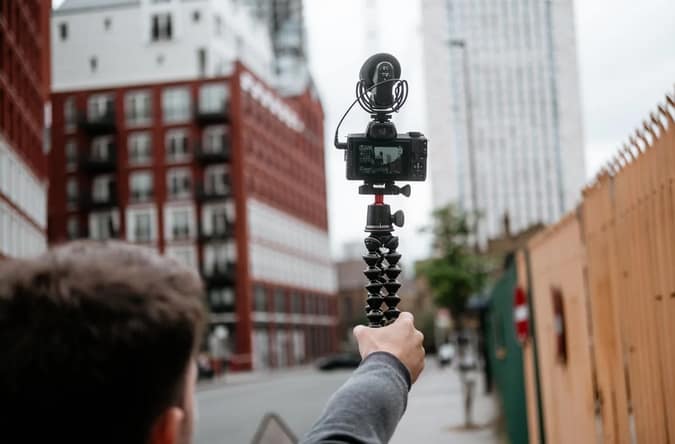
Choosing the right camera can make all the difference in how professional and engaging your YouTube content appears, especially as competition continues to rise across every niche. From sensor quality to autofocus performance and low-light capabilities, each feature affects the clarity and consistency of your final videos. Many new creators get caught up in quick-fix tactics like trying to buy YouTube views cheap, but long-term growth relies more on investing in equipment that captures crisp visuals and reliable sound. When your footage looks polished from the start, audience retention and watch time naturally improve. This article breaks down the essential camera factors worth prioritizing before you hit record and upload.
Key Technical Specs to Prioritize
Start with resolution and sensor size since they shape image clarity and depth of field. Recording at least Full HD is a baseline, but 4K offers editing flexibility and future-proofing if your workflow can handle larger files. A larger sensor improves low-light performance and creates a more pleasing background separation, helping subjects stand out. Autofocus speed and reliability are crucial when you move or present on camera; nothing kills momentum like hunting for focus. Also, check the rolling shutter, bitrate, and frame rate options, as technical limits can affect how smoothly tutorials and motion shots render. These specs combine to determine how professional your videos look on upload.
Audio, Stabilization, and Usability
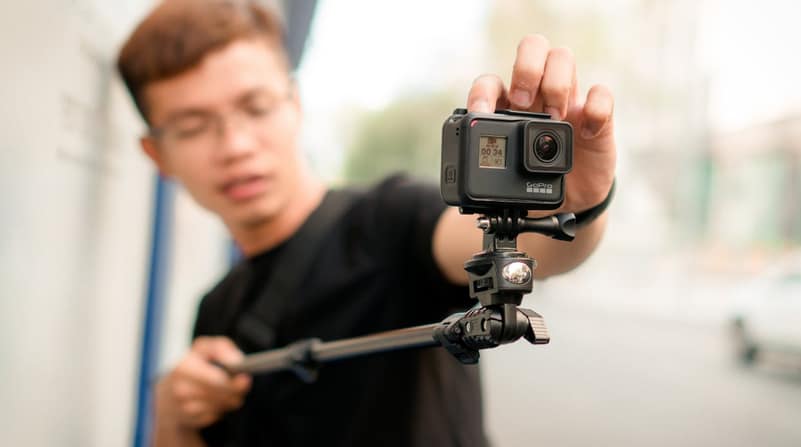
Good audio often matters more than ultra-sharp video, so choose a camera with a mic input and preferably a headphone output for monitoring. Clear sound keeps viewers watching; muffled audio drives them away faster than a soft focus. Stabilization, whether in-body or lens-based, makes handheld footage watchable without the need for expensive gimbals. Ease of use also counts: an articulating screen helps if you film solo, and menu layouts that don’t require a PhD save time on shoots. Battery life and heat control affect long takes or livestreams, so check real-world runtime rather than only lab figures. Practical reliability beats inscrutable features you never use.
Budget, Lenses, and Future Needs

Think beyond the camera body to lenses and accessories, because glass often defines your look more than the sensor. An interchangeable lens system gives flexibility as your channel grows, letting you add a wide lens for vlogs or a sharp prime for interviews. Consider long-term costs: lenses, mics, lights, memory, and batteries all add up quickly. If the budget is tight, prioritize a solid body with good autofocus and plan to upgrade the glass later. Also, ask whether the system supports future upgrades you might want, such as better codecs, faster autofocus, or third-party accessories — buying into an ecosystem that scales with you avoids repeating purchases later.
Choosing a YouTube camera is a practical balance between image quality, sound quality, handling, and long-term flexibility. Prioritize sensor and autofocus performance for clarity and ease, pick a body that supports good audio and stabilization, and consider lenses and accessories as part of the core cost. Aim for gear that reduces friction during filming so you can focus on storytelling and consistency. The best camera for your channel is the one that fits your content style, workflow, and budget, while helping you create consistently high-quality videos without constant technical interruptions.


