Factors to Consider When Buying a Camera for YouTube Content

Factors to Consider When Buying a Camera for YouTube Content

Choosing the right camera can make all the difference in how professional and engaging your YouTube content appears, especially as competition continues to rise across every niche. From sensor quality to autofocus performance and low-light capabilities, each feature affects the clarity and consistency of your final videos. Many new creators get caught up in quick-fix tactics like trying to buy YouTube views cheap, but long-term growth relies more on investing in equipment that captures crisp visuals and reliable sound. When your footage looks polished from the start, audience retention and watch time naturally improve. This article breaks down the essential camera factors worth prioritizing before you hit record and upload.

Key Technical Specs to Prioritize

Start with resolution and sensor size since they shape image clarity and depth of field. Recording at least Full HD is a baseline, but 4K offers editing flexibility and future-proofing if your workflow can handle larger files. A larger sensor improves low-light performance and creates a more pleasing background separation, helping subjects stand out. Autofocus speed and reliability are crucial when you move or present on camera; nothing kills momentum like hunting for focus. Also, check the rolling shutter, bitrate, and frame rate options, as technical limits can affect how smoothly tutorials and motion shots render. These specs combine to determine how professional your videos look on upload.

Audio, Stabilization, and Usability
stabilized camera

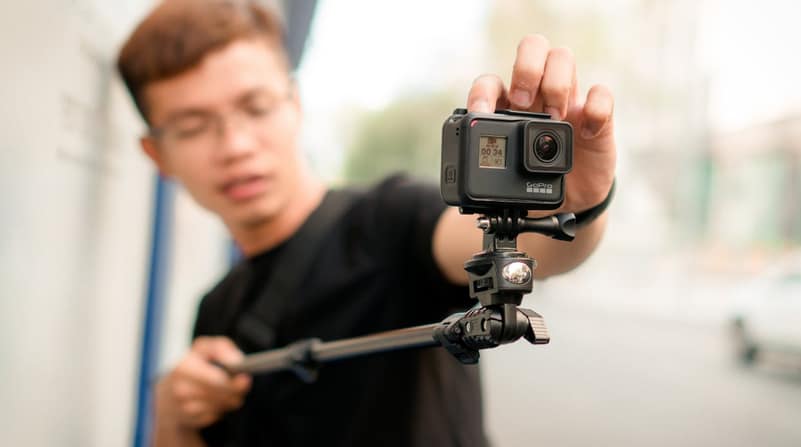
Good audio often matters more than ultra-sharp video, so choose a camera with a mic input and preferably a headphone output for monitoring. Clear sound keeps viewers watching; muffled audio drives them away faster than a soft focus. Stabilization, whether in-body or lens-based, makes handheld footage watchable without the need for expensive gimbals. Ease of use also counts: an articulating screen helps if you film solo, and menu layouts that don’t require a PhD save time on shoots. Battery life and heat control affect long takes or livestreams, so check real-world runtime rather than only lab figures. Practical reliability beats inscrutable features you never use.

Budget, Lenses, and Future Needs

Think beyond the camera body to lenses and accessories, because glass often defines your look more than the sensor. An interchangeable lens system gives flexibility as your channel grows, letting you add a wide lens for vlogs or a sharp prime for interviews. Consider long-term costs: lenses, mics, lights, memory, and batteries all add up quickly. If the budget is tight, prioritize a solid body with good autofocus and plan to upgrade the glass later. Also, ask whether the system supports future upgrades you might want, such as better codecs, faster autofocus, or third-party accessories — buying into an ecosystem that scales with you avoids repeating purchases later.

Choosing a YouTube camera is a practical balance between image quality, sound quality, handling, and long-term flexibility. Prioritize sensor and autofocus performance for clarity and ease, pick a body that supports good audio and stabilization, and consider lenses and accessories as part of the core cost. Aim for gear that reduces friction during filming so you can focus on storytelling and consistency. The best camera for your channel is the one that fits your content style, workflow, and budget, while helping you create consistently high-quality videos without constant technical interruptions.…

Tips When Activating Two-Factor Authentication for Your YouTube

Tips When Activating Two-Factor Authentication for Your YouTube

Two-factor authentication, often shortened to 2FA, adds a second step to logging in. Think of it like locking your front door and then bolting it from the inside. If you’re just starting out with a YouTube channel, there’s more than one thing to worry about—views, subs, and keeping your content safe. Gaining traction in the beginning feels like shouting into the void, so creators often explore strategies to boost visibility. One of the shortcuts some consider is using recommended YouTube view providers, though it’s best to research carefully and weigh the pros and cons. Activating 2FA on your YouTube account is not just smart—it’s necessary. Hackers are getting cleverer, and regular passwords just don’t cut it anymore. They’ll guess, scrape, and even phish their way through if given the chance. But with the right moves, you can slam the door on them.

Choose the Right Second Step

Before diving into activation, decide what second layer fits your routine best. Some prefer text codes, but others go for an authenticator app. Authenticator apps tend to be safer because they aren’t tied to your SIM card. SIM swapping attacks are real, and they’re vicious. Pick an app you trust and install it on your primary device. If you ever change phones, remember to transfer the app first before deleting anything.

Double-Check Backup Options

Things break, phones die, and sometimes apps vanish in the middle of updates. That’s why you need backup codes or a secondary verification method. Write your backup codes down and store them somewhere that isn’t your camera roll. A locked notebook, an encrypted drive, or even a password manager will do the trick. Without those, losing access can feel like being locked out of your own house without the spare key. It’s boring prep work—but it can save you hours of recovery stress.

laptop

Don’t Share Verification Codes—Ever

Sounds obvious, right? But scammers are slick. They might pose as YouTube support or pretend to be someone you know. The moment you hand over that code, you’re handing over your channel. Even if someone claims it’s urgent, pause and verify first. Real support teams don’t ask for codes like that out of the blue.

Update Security Info Regularly

Update Security Info RegularlyYour recovery email and phone number should always be current. Think of them as the emergency exits of your account. If those are outdated, you might get locked out without a way back in. Life changes—new numbers, different emails—it all adds up. Make it a habit to check your security info every few months. It’s like checking your smoke alarm batteries, only way less annoying. Setting up two-factor authentication for your YouTube account shouldn’t be treated like an optional upgrade.

It’s a critical safety net that gives you breathing room in a digital space full of risks. From scammers to shady scripts, danger doesn’t always knock before barging in. With 2FA, you give yourself time to react and prevent a total takeover. Don’t rush through the setup—slow down, think ahead, and give yourself a secure foundation. Because in the end, guarding your content is just as important as creating it.…

Why Great Tech Content Still Gets Ignored on YouTube

Why Great Tech Content Still Gets Ignored on YouTube

You put hours into a camera comparison, uploaded a clean review, and expected the views to pour in. But they didn’t. Truth is, good tech content still needs a push to break through the noise. Some creators now use shortcuts like how to buy YouTube video views to increase reach early.

And while that’s part of the equation, your content needs structure behind the scenes. Let’s talk about why your gear reviews, gadget breakdowns, or unboxings might not be performing, and what to do about it. You’ll find the truth and how you can improve your YouTube channel here.

Tech Viewers Are Different

YouTube viewers watching gaming chairs or CPUs aren’t watching for fun. They’re hunting. Looking for details. Measurements. Power tests. Heat outputs. They skip fluff fast. If your video leads with an intro longer than 20 seconds, you’ve lost half the room. Structure matters more than polish. Jump straight to the point, toss specs on the screen, and show the gear in action.

Script or Suffer

Some creators wing it. It shows. In the tech space, rambles kill engagement. Viewers want quick value. Write bullet points at the very least. Better yet, script your main points and trim the fat. Shorter videos often outperform longer ones, especially if the information density is higher. A three-minute video packed with clear tests beats a 10-minute opinion piece every time.

Script or Suffer

Sound and Lighting Aren’t Optional

People might forgive a slightly blurry frame. But if your mic sounds like you’re recording from the bottom of a cereal box, they’re gone. Same with lighting, dim, unbalanced setups scream “amateur” in a category where people buy based on specs. You don’t need studio gear. A ring light and USB mic are enough to pass the trust test. And trust is everything when you’re reviewing a $900 GPU.

Don’t Sleep on Thumbnails and Titles

Your video’s cover art is your handshake. Use bold, clean images. Zoom into the product. Add readable, short text—no more than four words. Avoid vague titles. Instead of “Best Laptop 2025,” go with “M3 MacBook Air vs XPS 13.” Clarity wins over cleverness. Every time. But here’s a thing: Even if your video is better than half of YouTube’s recommendations, it may never show up.

The Tech Niche Is Crowded, Use a Boost

Why? Timing, engagement, and velocity play a huge role. That’s why some creators look into strategies like how to buy YouTube video views. A small boost can push your video into more screens, more clicks, and more chances to actually be seen. It doesn’t replace quality content. It just gives it a running start.

photo

Final Thought

Making tech content for YouTube isn’t just hitting records. It’s planning, testing, editing, and sometimes, giving it a little artificial push to make sure it reaches real people. And if you’re doing the work already, it deserves to be seen. Give your videos a fair shot. Your future subscribers are probably still stuck watching someone else’s shaky Pixel review.…